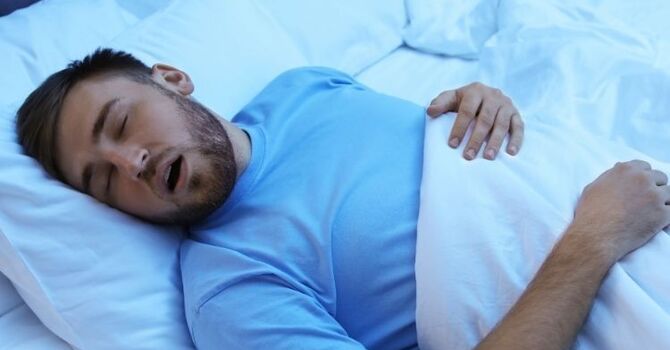
Waking up with a parched tongue and a sticky throat is one of the most common complaints among people on CPAP therapy. If CPAP dry mouth is wearing you down, nothing is wrong with you, and the cause is usually something a respiratory therapist can find and correct.
This guide covers why dry mouth with CPAP happens, which fixes work, and when it is worth having your setup checked at a sleep clinic in North Vancouver.
What Causes Dry Mouth from CPAP?
So why does my CPAP make my mouth dry? Moving air dries out whatever it passes over. Your nose normally warms and moistens each breath before it reaches your throat, but when air escapes through your mouth, that moisture goes with it. Three problems account for most cases of CPAP dry mouth.
Mouth Leaks While You Sleep
Pressure from the machine can nudge your jaw open once you fall asleep. Air then flows in through the nose and out through the mouth, drying your tongue and throat all night. You may never wake up for it, which is why the dryness shows up at 3 a.m. or first thing in the morning.
A Stuffy or Blocked Nose
If one or both nostrils are blocked, your body switches to mouth breathing. Allergies, a cold, a deviated septum, or dry indoor air in winter can all do it. That is why a stuffy nose and a dry mouth so often arrive together.
Humidity and Heated Tube Settings
A humidifier set too low adds too little moisture. A cold bedroom can also make water condense inside the tubing before the air reaches you. Many people have never touched these settings since the machine was handed over.
Signs Your CPAP Dry Mouth Needs Attention
Occasional dryness after a late night is normal. A pattern is a signal:
- Waking with a dry, sticky mouth, cracked lips, or a sore throat
- A mask that hisses or blows air near your eyes, or a mouth that falls open
- Needing a glass of water by the bed every night
- Morning breath that is worse than usual
- Dryness that continues even with the humidifier turned up
If several of these sound familiar, the machine itself is probably fine. Fit and settings usually are the problem.
How to Prevent Dry Mouth with CPAP
Match the Mask to the Way You Breathe
A full face mask covers the nose and mouth, so people who breathe through their mouths often do well in one. Still, CPAP dry mouth with a full face mask is common when the cushion is the wrong size or worn out, because air leaks around the seal and carries moisture away. A professional CPAP mask fitting can match the style and size to your face.
Nasal pillows and nasal masks leave your lips uncovered. Dry mouth with CPAP nasal pillows usually means air is escaping through the mouth, and a chin strap or a switch to a full face style often solves it.
Adjust Humidity and CPAP Tube Temp for Dry Mouth
Raise humidity one step at a time over several nights rather than jumping to the maximum, which can leave water pooling in the hose. If you have heated tubing, set the tube temperature so the air stays warm all the way to your face.
Humidity cannot make up for a mouth leak, though. That is the usual reason for CPAP dry mouth even with a humidifier. Once the leak is fixed, the same settings often work fine.
Review Your Pressure Settings
Pressure that is higher than you need makes leaks more likely and can push your jaw open. A therapist can read your machine’s usage data, see the leak pattern, and adjust pressure for comfort without losing treatment effectiveness. Please do not change pressure on your own, since the right number depends on your sleep study and your data.
Clear Your Nose First
Saline rinses or sprays can ease congestion, and a doctor can help if allergies or a structural problem are involved. Treating the nose often reduces the mouth leak at its source.
CPAP Dry Mouth Tablets, Sprays and Rinses
Over-the-counter products can make mornings more comfortable. CPAP dry mouth tablets and a CPAP dry mouth spray work as saliva substitutes, and sugar-free lozenges or xylitol products may also help. They treat the symptom, though, not the leak behind it. Ask your pharmacist or dentist which products suit you, and use them alongside a fix rather than instead of one.
Does CPAP Dry Mouth Cause Tooth Decay?
Saliva washes away food particles and neutralizes acid, so a mouth that stays dry all night is more vulnerable to cavities, gum irritation, and bad breath. The link between CPAP dry mouth and tooth decay is one reason not to ignore the problem. Tell your dentist you use CPAP, keep up with regular checkups, and brush and floss before bed.
How a Respiratory Therapist Fixes CPAP Dry Mouth in North Vancouver
At Archer Sleep Care, Steve Archer, a Registered Respiratory Therapist and Certified Clinical Sleep Health Specialist, treats dry mouth as a fit and settings puzzle. A visit usually covers:
- Mask fit: Mask Fit AR technology helps match the style and size of mask to your face so it seals comfortably.
- Machine data: Steve reads your usage and leak numbers, then fine tunes pressure and humidity.
- Overnight oxygen check: When it helps, you wear a small monitoring ring alongside your CPAP for a night to confirm your settings are right.
- Follow-up: He checks in on your progress, so small issues get fixed early.
Often the answer is one small adjustment. You can learn more about our CPAP care and optimization service in North Vancouver.
Dry Mouth with CPAP: Frequently Asked Questions
Does CPAP cause dry mouth?
It can, but it is usually a fit or settings problem, not an unavoidable side effect of treatment.
Should I stop using my CPAP if my mouth is dry?
No. Untreated sleep apnea carries real health risks, so keep using it and get the setup checked.
Will a new machine fix dry mouth?
Rarely. The mask, leaks, and settings are the likelier causes, and a new machine with the same mask often has the same problem.
Can I get help if I did not buy my CPAP from Archer Sleep Care?
Yes. You can book Steve’s help for a service fee without buying any equipment, whether your machine came from us or somewhere else.
When should I see a doctor or dentist about dry mouth?
If dryness continues after these fixes, or you notice mouth sores, trouble swallowing, or new cavities, see them. Some medications can cause dry mouth too.
Book a Free CPAP Consultation in North Vancouver
If dry mouth keeps interrupting your sleep, book a free 15-minute consultation with Steve. Tell him what you have tried so far, and he will point you toward the best next step.